

For most manufacturing executives, the current financial conversation centers on three priorities: cashflow, working capital, and liquidity. These are the measures that keep businesses running, enable growth, and build resilience in uncertain times.
What many leaders don’t realize is that Lean operational tools—developed decades ago to improve efficiency on the shop floor—can directly enhance these financial fundamentals. Bridging the gap between operations and finance creates untapped opportunities to strengthen the balance sheet without relying solely on traditional cost-cutting or financing.
Cashflow: Turning Operations Into Liquidity Faster
Healthy cashflow is about accelerating the cycle from production to revenue. Lean practices like SMED (Single-Minute Exchange of Die) shorten changeover times, allowing smaller, more frequent production runs. The result is:
-
Less money tied up in excess work-in-process (WIP)
-
Faster order fulfillment, which improves collections
-
Greater flexibility to respond to demand without expensive overtime or added equipment
Executive takeaway: SMED frees up cash by improving asset utilization and reducing the working capital trapped in production buffers.
Working Capital: Freeing Cash from the Balance Sheet
Inventory and receivables often lock up significant amounts of cash. Kanban systems, which manage inventory replenishment based on demand signals, help manufacturers lower stock levels while improving reliability. This leads to:
-
Reduced inventory carrying costs
-
Improved working capital ratios
-
Less risk of obsolescence or write-offs
Executive takeaway: Kanban directly reduces the cash needed to fund operations—strengthening the balance sheet.
Liquidity: Building Flexibility in Uncertain Times
Liquidity is about agility—the ability to seize opportunities or withstand shocks. Kaizen (continuous improvement) empowers teams to eliminate waste across processes, lowering cost structures and improving margins. Over time, this builds:
-
A stronger profit engine, feeding liquidity reserves
-
Faster responses to disruptions (supply chain, labor, or quality issues)
-
Organizational resilience through a culture of continuous improvement
Executive takeaway: Kaizen strengthens liquidity by systematically improving profitability and reducing hidden drains on cash.
The Hidden Gap at the Leadership Level
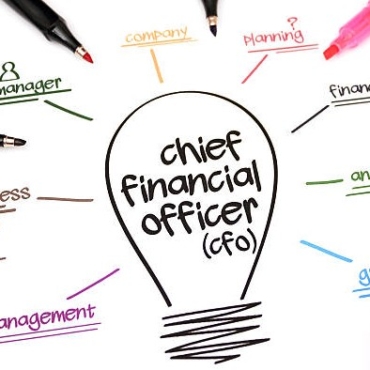
Most CFOs and CEOs carefully track financial performance but are not fully aware that Lean tools can directly improve financial outcomes. This disconnect often leaves value on the table. By integrating Lean with financial management, leaders can:
-
Unlock hidden cash across the business
-
Improve liquidity without relying solely on debt or external financing
-
Build a more sustainable, resilient model for growth
The Next Step
At GKW Business Solutions, we help manufacturers connect the dots between Lean operations and financial strength. By aligning tools like SMED, Kaizen, and Kanban with cashflow, working capital, and liquidity, we empower leadership teams to achieve results that are measurable both on the shop floor and in the boardroom.