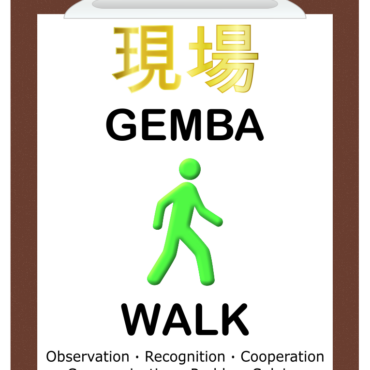

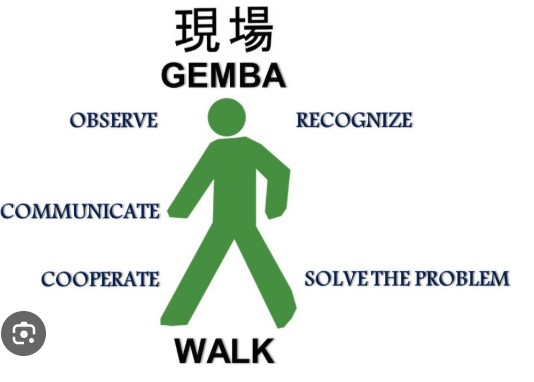
In the world of continuous improvement, few concepts are as simple—and as misunderstood—as Gemba. A Japanese term meaning “the real place,” Gemba refers to where work actually happens: the shop floor, the production line, the service desk, or wherever value is created.
At first glance, it sounds obvious: go where the work is. But in practice, many organizations operate far removed from it. Decisions are made in conference rooms, based on reports, dashboards, and assumptions. That disconnect is exactly why Gemba is so important.
1. Reality Lives on the Floor, Not in Reports
Data is valuable, but it’s always a step removed from reality. Reports summarize, dashboards simplify, and KPIs aggregate—but they rarely tell the full story.
When you go to Gemba, you see:
- The actual flow of work
- The obstacles employees face in real time
- The small inefficiencies that never show up in metrics
You move from interpreting reality to observing it directly. That shift alone can completely change how problems are understood—and solved.
2. Problems Become Visible
Many operational issues hide in plain sight. They persist not because they’re complex, but because they’re normalized.
At Gemba, you can spot:
- Workarounds that have become “standard practice”
- Bottlenecks between processes
- Wasted motion, waiting, or overproduction
Seeing these firsthand creates clarity. What was once abstract becomes obvious—and urgent.
3. It Builds Respect for People
One of the core principles of Lean is respect for people. Gemba reinforces this by putting leaders in direct contact with the individuals doing the work.
Instead of assuming solutions, leaders can:
- Ask questions
- Listen to frontline insights
- Understand challenges from the worker’s perspective
This builds trust and engagement. Employees feel heard, and leaders gain insights they could never get from a spreadsheet.
4. Better Decisions, Faster
When leaders regularly go to Gemba, decision-making improves dramatically.
Why?
- Less reliance on secondhand information
- Faster validation of ideas
- Immediate feedback loops
Rather than debating what might be happening, teams can align quickly on what is happening—and act accordingly.
5. It Reinforces a Culture of Continuous Improvement
Gemba isn’t a one-time visit—it’s a habit. When practiced consistently, it signals that improvement is everyone’s responsibility.
It encourages:
- Curiosity over assumptions
- Observation over opinion
- Action over analysis paralysis
Over time, this creates a culture where problems are surfaced early, addressed collaboratively, and continuously improved.
6. It Connects Strategy to Execution
One of the biggest gaps in organizations is between leadership strategy and frontline execution. Gemba helps close that gap.
By being present where work happens, leaders can:
- Ensure strategic goals are understood and actionable
- Identify misalignments early
- Adjust direction based on real-world conditions
Strategy stops being theoretical—and starts becoming practical.
Final Thoughts
Gemba is powerful because it’s simple. It doesn’t require new software, complex frameworks, or major investment. It requires presence, curiosity, and a willingness to see things as they truly are.
If you want better processes, stronger teams, and smarter decisions, the answer isn’t in another report.
It’s at Gemba.
Why Gemba Matters: The Real Power of “Going to the Source”
In the world of continuous improvement, few concepts are as simple—and as misunderstood—as Gemba. A Japanese term meaning “the real place,” Gemba refers to where work actually happens: the shop floor, the production line, the service desk, or wherever value is created.
At first glance, it sounds obvious: go where the work is. But in practice, many organizations operate far removed from it. Decisions are made in conference rooms, based on reports, dashboards, and assumptions. That disconnect is exactly why Gemba is so important.
1. Reality Lives on the Floor, Not in Reports
Data is valuable, but it’s always a step removed from reality. Reports summarize, dashboards simplify, and KPIs aggregate—but they rarely tell the full story.
When you go to Gemba, you see:
- The actual flow of work
- The obstacles employees face in real time
- The small inefficiencies that never show up in metrics
You move from interpreting reality to observing it directly. That shift alone can completely change how problems are understood—and solved.
2. Problems Become Visible
Many operational issues hide in plain sight. They persist not because they’re complex, but because they’re normalized.
At Gemba, you can spot:
- Workarounds that have become “standard practice”
- Bottlenecks between processes
- Wasted motion, waiting, or overproduction
Seeing these firsthand creates clarity. What was once abstract becomes obvious—and urgent.
3. It Builds Respect for People
One of the core principles of Lean is respect for people. Gemba reinforces this by putting leaders in direct contact with the individuals doing the work.
Instead of assuming solutions, leaders can:
- Ask questions
- Listen to frontline insights
- Understand challenges from the worker’s perspective
This builds trust and engagement. Employees feel heard, and leaders gain insights they could never get from a spreadsheet.
4. Better Decisions, Faster
When leaders regularly go to Gemba, decision-making improves dramatically.
Why?
- Less reliance on secondhand information
- Faster validation of ideas
- Immediate feedback loops
Rather than debating what might be happening, teams can align quickly on what is happening—and act accordingly.
5. It Reinforces a Culture of Continuous Improvement
Gemba isn’t a one-time visit—it’s a habit. When practiced consistently, it signals that improvement is everyone’s responsibility.
It encourages:
- Curiosity over assumptions
- Observation over opinion
- Action over analysis paralysis
Over time, this creates a culture where problems are surfaced early, addressed collaboratively, and continuously improved.
6. It Connects Strategy to Execution
One of the biggest gaps in organizations is between leadership strategy and frontline execution. Gemba helps close that gap.
By being present where work happens, leaders can:
- Ensure strategic goals are understood and actionable
- Identify misalignments early
- Adjust direction based on real-world conditions
Strategy stops being theoretical—and starts becoming practical.
The Role of a Trusted Advisor: How GKW Business Solutions Supports Gemba
While the concept of Gemba is straightforward, executing it effectively—and consistently—is where many organizations struggle. This is where having a trusted advisor like GKW Business Solutions makes a meaningful difference.
GKW doesn’t just teach Gemba—they help organizations live it.
As an implementation partner, GKW Business Solutions:
- Guides leadership on how to conduct effective Gemba walks that go beyond observation and lead to actionable insights
- Coaches teams in Lean principles such as Kaizen, SMED, and Kanban, ensuring improvements are practical and sustainable
- Helps identify and eliminate waste by working side-by-side with frontline teams at the source
- Bridges the gap between strategy and execution, aligning leadership intent with real-world operations
What sets GKW apart is their hands-on, collaborative approach. They don’t operate from a distance—they engage directly at Gemba, helping teams see problems clearly, solve them effectively, and build internal capability for long-term success.
Final Thoughts
Gemba is powerful because it’s simple. It doesn’t require new software, complex frameworks, or major investment. It requires presence, curiosity, and a willingness to see things as they truly are.
But sustaining that discipline—and turning observation into measurable results—often requires the right guidance.
With a trusted partner like GKW Business Solutions, organizations can move beyond theory and build a culture where continuous improvement happens every day, at the source.
If you want better processes, stronger teams, and smarter decisions, the answer isn’t in another report.
It’s at Gemba.