
The Value of Shingo Principles in Manufacturing
Building a Culture of Operational Excellence
In today’s competitive manufacturing environment, companies are constantly searching for ways to improve productivity, reduce waste, and deliver greater value to customers. While many organizations implement Lean tools such as Kanban, SMED, or Kaizen events, long-term success rarely comes from tools alone. Sustainable improvement comes from culture—and that is where the Shingo Principles provide extraordinary value.
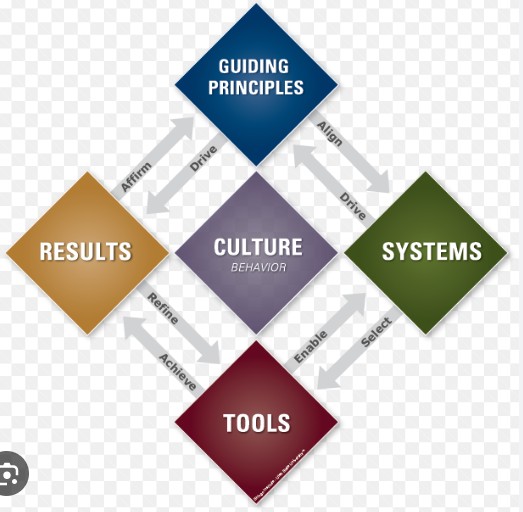
The Shingo Model for Operational Excellence focuses on guiding principles that shape behavior across an organization, creating a culture where continuous improvement becomes the norm rather than an initiative.
What Are the Shingo Principles?
Developed in honor of renowned industrial engineer Shigeo Shingo, these principles form the foundation of the Shingo Model for Operational Excellence. Rather than focusing on tools, the model emphasizes principles that drive the right behaviors, which then lead to effective systems and consistent results.
The principles are organized into four dimensions:
1. Cultural Enablers
These principles focus on building a respectful and empowered workforce.
Respect Every Individual
Every employee—from operators to leadership—has knowledge that can improve processes. When organizations respect individuals, they create environments where people feel safe to share ideas and take ownership of improvement.
Lead with Humility
Leaders must acknowledge that they do not have all the answers. Humble leadership encourages collaboration, listening, and learning from those closest to the work.
2. Continuous Improvement
Manufacturing excellence requires relentless pursuit of better processes.
Seek Perfection
While perfection may never be fully achieved, striving for it drives innovation and eliminates complacency.
Embrace Scientific Thinking
Improvement should be data-driven and experimental. Manufacturers should constantly test hypotheses, learn from results, and refine processes.
Focus on Process
Poor results are usually the outcome of flawed processes, not flawed people. By improving processes, organizations enable employees to succeed.
Assure Quality at the Source
Quality should be built into the process rather than inspected afterward. Preventing defects saves time, cost, and customer dissatisfaction.
Improve Flow & Pull Value
Efficient manufacturing minimizes interruptions and produces based on customer demand rather than forecasts.
3. Enterprise Alignment
Operational excellence requires alignment across the entire organization.
Think Systemically
Manufacturing systems are interconnected. Improving one area without considering the whole system can create unintended problems elsewhere.
Create Constancy of Purpose
Organizations must maintain a clear long-term direction that aligns improvement efforts with customer value and business strategy.
4. Results
When principles guide behavior, measurable results follow.
Create Value for the Customer
Every process should ultimately serve the customer. Wasteful activities that do not add value should be identified and eliminated.
Why the Shingo Principles Matter in Manufacturing
1. Tools Alone Don’t Sustain Improvement
Many manufacturers deploy Lean tools but struggle to maintain gains. Without cultural alignment, improvements fade when leadership changes or attention shifts. The Shingo principles ensure that behaviors reinforce improvement every day.
2. They Build a Culture of Ownership
When employees understand that their ideas matter and their insights are valued, engagement increases dramatically. Frontline workers become problem solvers rather than task performers.
3. They Align Leadership and Operations
Operational excellence cannot succeed if leadership priorities conflict with shop-floor realities. Shingo principles align decision-making from the executive suite to the production line.
4. They Drive Long-Term Competitive Advantage
Companies that embed principles into their culture continuously evolve. Instead of reacting to problems, they proactively improve systems and processes.
Applying Shingo Principles on the Shop Floor
Practical application of the principles often involves familiar Lean practices, such as:
-
Daily management systems
-
Structured problem-solving (PDCA or A3)
-
Standard work
-
Visual management
-
Employee suggestion systems
-
Cross-functional improvement teams
However, the difference lies in why these practices are used. They are not implemented simply as tools but as mechanisms to reinforce the principles.
Successfully integrating these principles often requires guidance from experienced practitioners who understand both the technical tools and the cultural transformation required for operational excellence.
Partnering for Successful Implementation
Implementing the Shingo principles across an organization can be a transformative journey, but it requires experience, leadership alignment, and structured implementation.
GKW Business Solutions serves as a trusted and experienced partner for manufacturers seeking to embed Shingo principles and Lean practices into their operations. With hands-on expertise in operational excellence initiatives such as SMED, Kanban, Kaizen, and continuous improvement systems, GKW works alongside organizations to build sustainable cultures of improvement rather than temporary programs.
By combining practical manufacturing experience with principle-based leadership development, GKW helps organizations move beyond isolated improvement projects and toward true operational excellence.
Conclusion
Manufacturers seeking lasting operational excellence must look beyond tools and focus on the principles that shape organizational behavior. The Shingo Principles provide a powerful framework for building a culture of respect, continuous improvement, and customer-focused value creation.
By embracing these principles—and partnering with experienced organizations like GKW Business Solutions—manufacturers can transform their operations, empower their workforce, and achieve sustainable competitive advantage.