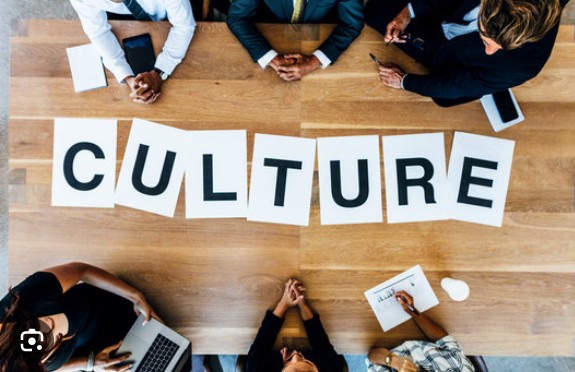
In the world of operational excellence, tools like Kanban, SMED, and Kaizen often take center stage. But organizations that achieve lasting transformation understand a deeper truth: tools don’t create excellence—culture does.
At GKW Business Solutions, we see this every day. Companies invest in lean tools expecting results, but without the right culture, those gains rarely stick.
The Shingo Model™ makes this clear through its foundational dimension: Cultural Enablers.
What Are Cultural Enablers?
Cultural enablers are the principles that shape how people behave, interact, and make decisions every day. They form the invisible system that either reinforces or undermines your operational goals.
Within the Shingo Model, cultural enablers are built on two key principles:
1. Respect Every Individual
This principle goes far beyond being polite or professional. It means:
- Valuing each person’s contribution
- Creating psychological safety
- Encouraging ideas and problem-solving at all levels
- Developing people, not just processes
Organizations that truly respect individuals don’t just ask for input—they act on it. They build systems where frontline employees are empowered to identify problems and drive improvement.
2. Lead with Humility
Leadership behavior defines culture. Leaders who demonstrate humility:
- Seek input instead of giving all the answers
- Admit mistakes and learn openly
- Go to the gemba (where work happens)
- Focus on coaching rather than controlling
Humble leadership shifts the role of management from directing work to enabling success.
Why Cultural Enablers Matter
Many organizations implement lean tools expecting immediate results. While short-term gains are possible, they often fade without cultural alignment.
Here’s why cultural enablers are critical:
- Sustainability: Culture ensures improvements stick over time
- Engagement: People support what they help create
- Adaptability: A strong culture enables continuous improvement, not one-time change
- Scalability: Systems rooted in principles can grow across teams and locations
Real-World Example: When Tools Fail Without Culture
A mid-sized manufacturer engaged GKW Business Solutions to implement SMED (Single-Minute Exchange of Die) to reduce changeover times.
Initially, the focus was purely technical—timing tasks, separating internal and external work, and redesigning steps. Early results showed a 20% reduction in changeover time.
But within weeks, performance slipped back.
Why?
- Operators weren’t involved in designing the new process
- Supervisors reverted to old habits under pressure
- No system reinforced ownership or continuous improvement
GKW shifted the approach to focus on cultural enablers:
- Involving operators directly in analyzing and improving changeovers
- Coaching leaders to ask questions instead of giving directives
- Creating daily accountability through visual management
The result?
- Changeover times reduced by over 40%
- Improvements sustained for months—not weeks
- Operators began proactively identifying additional improvements
The tool didn’t change. The culture did.
The Common Pitfall: Tool-First Thinking
A frequent mistake is focusing on tools before culture. For example:
- Implementing Kanban without empowering teams to manage flow
- Running Kaizen events without developing problem-solving capability
- Applying SMED techniques without operator ownership
In these cases, tools become checkboxes—not drivers of transformation.
How to Build Cultural Enablers
Creating a culture aligned with Shingo principles requires intentional effort. At GKW Business Solutions, we guide organizations through this process with a practical, people-first approach.
Start with Leadership Behavior
Culture mirrors leadership. Begin by asking:
- Are leaders listening more than they speak?
- Do they develop people or just manage tasks?
- Are they present at the gemba?
Align Systems with Values
If your systems reward speed over quality or output over learning, they will contradict cultural goals. Align:
- Performance metrics
- Recognition systems
- Daily management practices
Empower the Frontline
Give employees the authority and tools to:
- Identify problems
- Experiment with solutions
- Standardize improvements
Reinforce Through Daily Habits
Culture isn’t built in workshops—it’s built daily. Use:
- Tiered meetings
- Visual management
- Leader standard work
Connecting Cultural Enablers to Lean Tools
At GKW Business Solutions, we emphasize that tools like SMED, Kanban, and Kaizen only succeed when supported by strong cultural enablers.
For example:
- SMED becomes powerful when operators lead changeovers
- Kanban thrives when teams own flow and accountability
- Kaizen delivers results when employees feel safe to challenge the status quo
The difference isn’t the tool—it’s the culture behind it.
Final Thoughts
Cultural enablers are not a “soft” side of lean—they are the foundation. Organizations that invest in respect and humility create environments where continuous improvement becomes natural, not forced.
If you’re serious about operational excellence, don’t start with tools. Start with people.
GKW Business Solutions partners with organizations to implement lean tools like SMED, Kanban, and Kaizen—while building the cultural foundation needed to sustain results long-term.